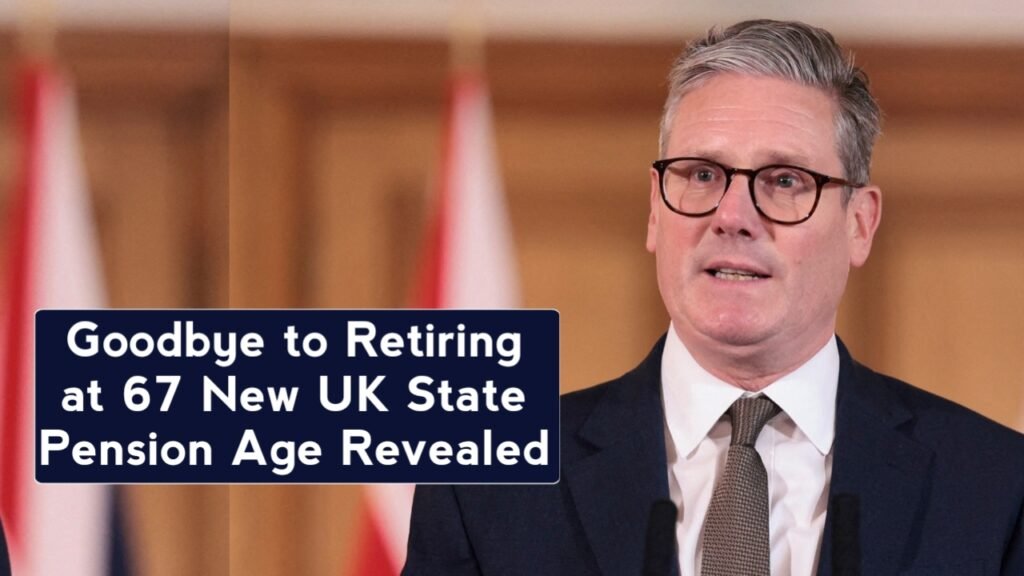
Hello Everyone, The UK Government has officially signalled the end of retiring at 67, marking one of the most significant changes to the State Pension system in decades. For millions of workers across England, Scotland, Wales and Northern Ireland, this announcement reshapes long-held retirement expectations. Rising life expectancy, mounting pressure on public finances and changing workforce patterns have all played a role in driving this decision. While the change has not arrived overnight, the confirmation has sparked widespread discussion, concern and planning among people approaching later working life.
Why the Pension Age Is Changing
The primary reason behind the new State Pension Age is longevity. People in the UK are living longer than previous generations, which means pensions are being paid out for many more years. The Government argues that without reform, the current system would become financially unsustainable. In addition, the ratio of working-age people to retirees is shrinking, increasing pressure on taxpayers. These demographic realities have forced policymakers to reconsider when State Pension payments should begin.
What the New State Pension Age Means
Although retiring at 67 has been the expected norm, the Government now plans to gradually increase the State Pension Age beyond this point. The change will be introduced in stages, allowing affected age groups time to adjust their plans. Importantly, this does not mean people must work longer if they choose not to, but it does mean State Pension payments will start later. For many households, this shift may influence savings strategies, workplace pensions and decisions around part-time work later in life.
Who Will Be Affected Most
The impact will not be evenly spread across the population. Those currently in their 40s and early 50s are likely to feel the biggest effect, as they still have time to adapt but may need to rethink retirement goals. People already close to State Pension Age are less likely to see changes. However, workers in physically demanding roles and those with health concerns worry that working longer may not be realistic, raising concerns about fairness and flexibility.

Government’s Official Justification
Ministers have emphasised that the decision was not taken lightly. According to official statements, the rising cost of pensions, combined with longer lifespans, makes reform unavoidable. The Government also highlights that many people are healthier for longer and capable of remaining in employment beyond traditional retirement ages. By increasing the State Pension Age gradually, policymakers believe the system can remain sustainable while still providing support for future generations of retirees.
Timeline of the Changes
The increase in the State Pension Age will not happen suddenly. Instead, it will be phased in over several years, with clear notice given well in advance. This staged approach is designed to reduce financial shock and allow people to plan responsibly. Exact dates and age brackets are being communicated through official channels, and individuals are encouraged to regularly check their personal State Pension forecast to understand how the changes apply to them.
Key Points at a Glance
Under this reform, several important elements stand out for UK residents planning their retirement:
- The State Pension Age will rise beyond 67 in stages
- Changes mainly affect people currently under their mid-50s
- Private and workplace pensions are not directly changed
- Advance notice is being provided to support long-term planning
These points help clarify what is changing and what is staying the same.
Impact on Workers and Employers
For workers, especially those in long-term employment, this announcement may influence career planning and health considerations. Some may choose to retrain or move into less physically demanding roles later in life. Employers, on the other hand, may need to adapt workplace policies to support older staff, including flexible hours and age-friendly roles. The change could gradually reshape the UK labour market, keeping experienced workers active for longer.
What It Means for Low-Income Groups
Concerns have been raised about how the higher State Pension Age affects low-income individuals. Those with limited savings or interrupted work histories may find it harder to bridge the gap between stopping work and receiving the State Pension. Charities and advocacy groups argue that additional support measures may be needed to protect vulnerable groups. The Government has stated it will continue reviewing support schemes to ensure fairness across different income levels.
How to Prepare Financially
Planning ahead is now more important than ever. People are being encouraged to review their National Insurance record, boost workplace pension contributions where possible, and consider private savings options. Understanding the full picture of retirement income can help reduce uncertainty. Financial advisers also recommend factoring in health, housing costs and lifestyle expectations when preparing for a later State Pension Age.
Steps Individuals Should Consider
To adapt effectively, individuals may want to focus on a few practical actions:
- Check your State Pension forecast regularly
- Review workplace or private pension contributions
- Explore flexible working options later in life
- Seek professional financial guidance if needed
These steps can help people feel more in control despite the changes.
Public Reaction Across the UK
Public response has been mixed. Some accept the logic behind the decision, recognising longer life expectancy and economic pressures. Others feel frustrated, particularly those who have spent decades in physically demanding jobs. Online discussions, union responses and media coverage show a clear divide between economic necessity and personal impact. This debate is likely to continue as the policy moves closer to implementation.
Political and Social Debate
The announcement has also sparked political discussion. Opposition parties have questioned whether the burden is being placed too heavily on ordinary workers, while supporters argue the reform is essential for long-term stability. Social commentators point out that retirement is not just about age, but quality of life. Balancing economic sustainability with human wellbeing remains one of the biggest challenges facing the UK pension system.
Looking Ahead
As the UK moves away from retiring at 67, adaptability will be key. The State Pension has always evolved in response to social and economic change, and this reform is part of that ongoing process. While the adjustment may feel unsettling, informed planning and clear communication can help soften its impact. Staying updated through official Government sources will be crucial for anyone affected by the new State Pension Age.
Conclusion
The end of retiring at 67 marks a turning point in how the UK approaches later life and financial security. While the Government frames the change as necessary for sustainability, its real-world impact will be felt differently across society. With careful planning, transparent communication and continued review, the transition can be managed more smoothly. For now, understanding the change is the first step towards preparing confidently for the future.
Disclaimer: This article is for informational purposes only and is based on publicly available UK Government discussions and announcements. It does not constitute financial or legal advice. State Pension rules may change over time. Readers should consult official UK Government sources or a qualified adviser for personalised guidance.